Spectacle lenses: how to choose and how they differ
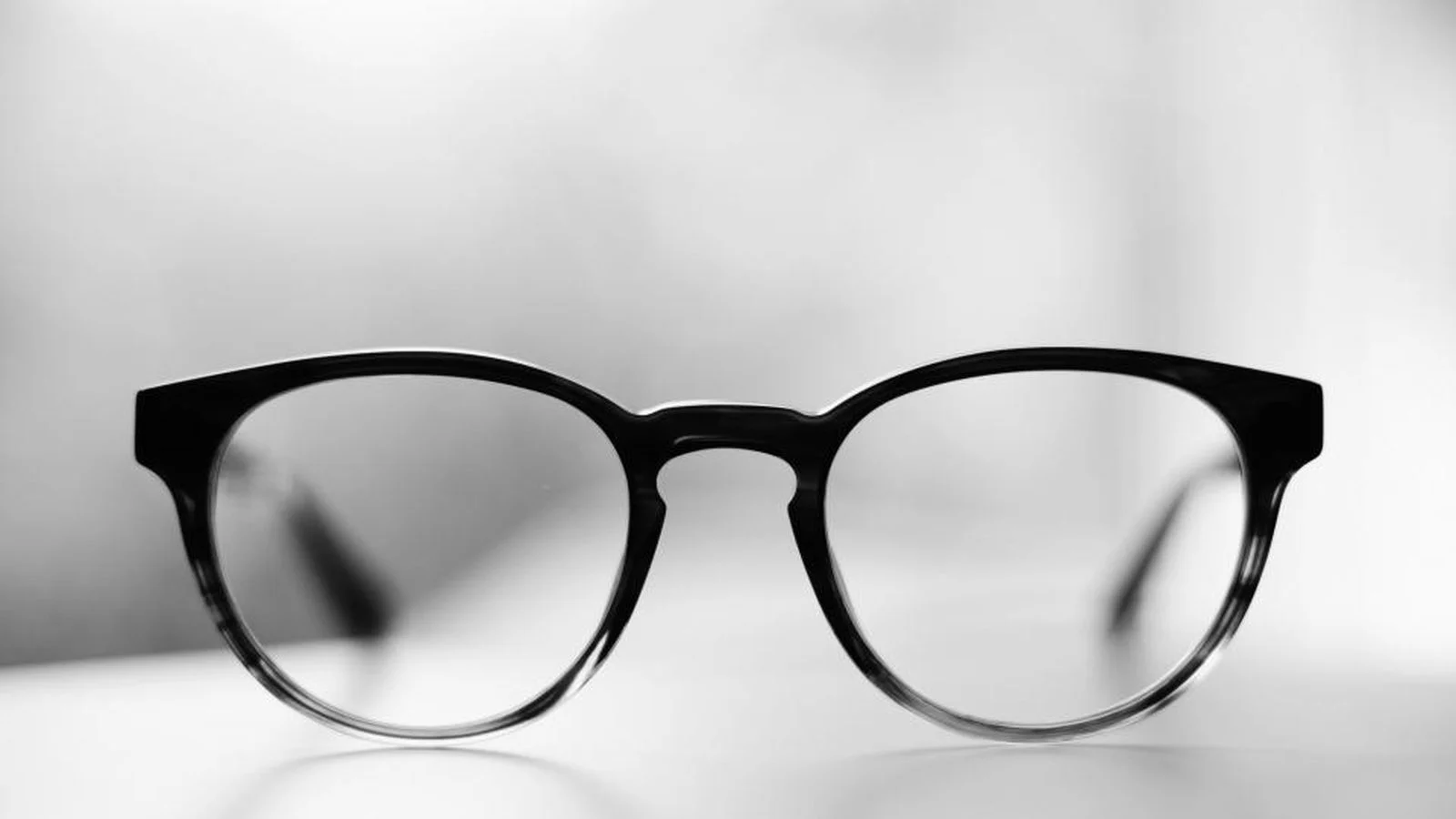
Lenses determine how sharply and comfortably you see. The frame sets the style, the lens sets the quality of vision. Here is what to look at.
Material and refractive index
The index shows how thin a lens is for the same power. 1.5–1.56 suits low prescriptions, 1.6 medium ones and 1.67–1.74 strong ones, so the edge stays thin. Polycarbonate and Trivex are impact-resistant and work well for children and sport.
Spherical or aspheric
Aspheric lenses are flatter, distort the periphery less and reduce the “magnified eyes” effect.
Types by purpose
- Single vision — one power, for distance or reading.
- Office — sharp at monitor and conversation distance.
- Progressive — a smooth transition from far to near in one lens.
- Photochromic — darken in the sun and clear indoors.
- Blue-light filtering — partly block short-wave screen light; the effect on eye strain varies by person.
Coatings
Anti-reflective coating removes glare, water-repellent coating makes cleaning easier, scratch-resistant coating extends lens life. UV400 protects against ultraviolet light.
The final choice depends on your prescription and lifestyle. Our optician will help you choose lenses for your prescription.